

Picture this: You've finally finished your magnum opus: a screenplay that would make Robert Towne (Chinatown, Shampoo, the Mission: Impossible franchise) weep with envy. Now, in 2025's AI-saturated landscape, how do studios know your brilliant dialogue didn't come from ChatGPT's or Claude’s latest hallucination? Enter the Wild West of AI verification, where proving your humanity has become as essential as nailing your logline.
Welcome to the age where "Did a human write this?" isn't a philosophical musing but an instinctual gut reaction that more readers have. It's also a multibillion-dollar question that could make or break your project before it even reaches the first table read.
The New Reality: Studios Want Proof, Not Promises
Here's the uncomfortable truth that's keeping development executives up at night: The US Copyright Office has made it crystal clear that AI-assisted work can qualify for copyright protection, but there's a catch bigger than the twist in The Sixth Sense. The work needs "sufficient human components and intervention" that demonstrates the "uniqueness of a person" and cannot be "primarily generated by artificial intelligence."
Think of it like this: if copyright law were a video game, you'd need enough Human Points to unlock the Legal Protection achievement. And studios? They're not taking chances on projects that might fail the final faceoff in federal court.
This is where Credtent's Human-Composed Creation (HCC) certification comes into play like the perfect plot device. Our system doesn't just slap a "Made by Humans" sticker on your work and call it a day. We're talking about state-of-the-art verification tools combined with expert screenwriter analysis: think of it as CSI for creative authenticity.
Why Starting Human Matters More Than You Think
Here's what attorneys who've been deep in the AI copyright trenches are telling us: Starting with a certified human-composed screenplay is like having the ultimate insurance policy for your entire film project. Even if you use AI elements later in production (for VFX, music, or post-production wizardry), that certified human foundation becomes your copyright lifeline.
It's the difference between building your house on solid ground versus quicksand. When your film includes AI components (and let's be honest, over time most will), having that HCC-certified screenplay proves your project began with authentic human creativity, not some algorithmic remix of training data that might include someone else's copyrighted work.
Because here's the kicker: Those AI tools everyone's using ARE trained on massive datasets that likely include copyrighted material, boldly scraped without consent by the frontrunners in the AI LLM race before ChatGPT launched publicly in November 2022. Using AI-generated scripts isn't just a copyright gamble: it's potentially setting your project up for legal challenges (before, during, and after production and release) that make The Perfect Storm look like a day at the beach.
Credtent: Your Creative Authentication System
Think of Credtent as the neutral referee in the increasingly complex game between human creativity and artificial intelligence. We're not here to wage war against AI: we're here to make sure human creators don't become collateral damage in the rush toward a future with ubiquitous automation as acceptable. We, as creators, must resist this storyline and the inevitable and only conclusion. There IS another possibility: set yourself apart from the AI authors.
Our verification process combines cutting-edge detection technology with actual human expertise from seasoned screenwriting professionals. It's like having a master watchmaker authenticate your Rolex: we know what genuine human creativity looks like, feels like, and reads like on the page.
As Credtent CEO Eric Burgess puts it: "Our commitment to Hollywood creative jobs runs deeper than a Christopher Nolan plot. We believe the best way to preserve humanity in our stories is ensuring they all begin with screenplays born from genuine human minds: not processed outputs from algorithms that are likely violating IP laws and could torpedo both your copyright prospects and your production."
The Audience Factor: People Want Human Stories
Here's where the data gets interesting. Research consistently shows that audiences want transparency about AI involvement in their entertainment, and more importantly, they're willing to pay premium prices for content they know came from human creators.
It's not nostalgia: it's psychology. When people invest emotionally in a story, they want to know another human being experienced those emotions, crafted those characters, and sweated over those plot twists. AI might be able to generate technically proficient dialogue, but it can't replicate the lived experience that makes great writing great.
That's why we're working with industry luminaries like Academy Award winner Billy Ray to advocate for certified human-composed creation badges to appear at the end of every film. Think of it as nutritional labels for entertainment: audiences deserve to know what they're consuming.
The Copyright Chess Game
Let's talk strategy. The US Copyright Office's position on AI-assisted work isn't some bureaucratic footnote: it's the new rules of engagement. When your screenplay carries HCC certification, you're not just protecting your current project; you're future-proofing your entire creative career.
Consider the domino effect: a certified human-composed screenplay provides the foundation for copyright protection even when AI elements enter your production pipeline. It's like starting with a solid alibi before the crime even happens: except the "crime" is potentially losing copyright protection for your entire film.
Studios understand this math. They'd rather greenlight projects with bulletproof copyright foundations than risk legal challenges that could shut down productions or complicate distribution deals. Your HCC certification isn't just a nice-to-have: it's becoming table stakes in serious Hollywood development.
How Credtent Works: The Technical Magic
Our verification process isn't some black box algorithm making wild guesses. We combine multiple layers of analysis:
- Advanced AI detection tools that can spot algorithmic patterns invisible to the human eye
- Expert human review from experienced screenwriting professionals
- Comprehensive documentation that creates an audit trail for your creative process
- Third-party neutrality that gives studios confidence in our assessments
It's like having a team of forensic accountants, master sommeliers, and seasoned detectives all working together to authenticate your creative work. We're not just looking for AI fingerprints: we're documenting the human DNA that makes your screenplay uniquely yours.
Special Offer: WGA West Members Get the VIP Treatment
Here's where we put our money where our mouth is. Writers Guild of America West members are currently getting 50% off their certification process: bringing the cost down to $149 to secure that seal of approval proving your work has the genuine human touch.
Think about it: $149 to potentially save your project from copyright challenges, increase studio interest, and demonstrate your commitment to authentic human creativity. That's less than most screenwriters spend on their Final Draft membership and about what you'd drop on a decent bottle of whiskey to drown your sorrows after a bad pitch meeting.
The Bottom Line: Protect Your Creative Future
The AI revolution isn't waiting for Hollywood to figure out its feelings about artificial creativity. Studios are making decisions (reactively) now about which projects to develop, which scripts to option, and which writers to trust with their multimillion-dollar bets.
Don't let your brilliant screenplay become another casualty of uncertainty. Get your work certified through Credtent and join the growing community of writers who are (proactively) taking control of their creative authenticity.
Because in a world where anyone can claim their AI chatbot wrote the next Casablanca, being able to prove your humanity isn't only smart: it's essential.
Your screenplay deserves better than algorithmic uncertainty. It deserves the protection, recognition, and industry confidence that comes with verified human composition.
The question isn't whether you can afford to get certified. The question is whether you can afford not to.
About the Author
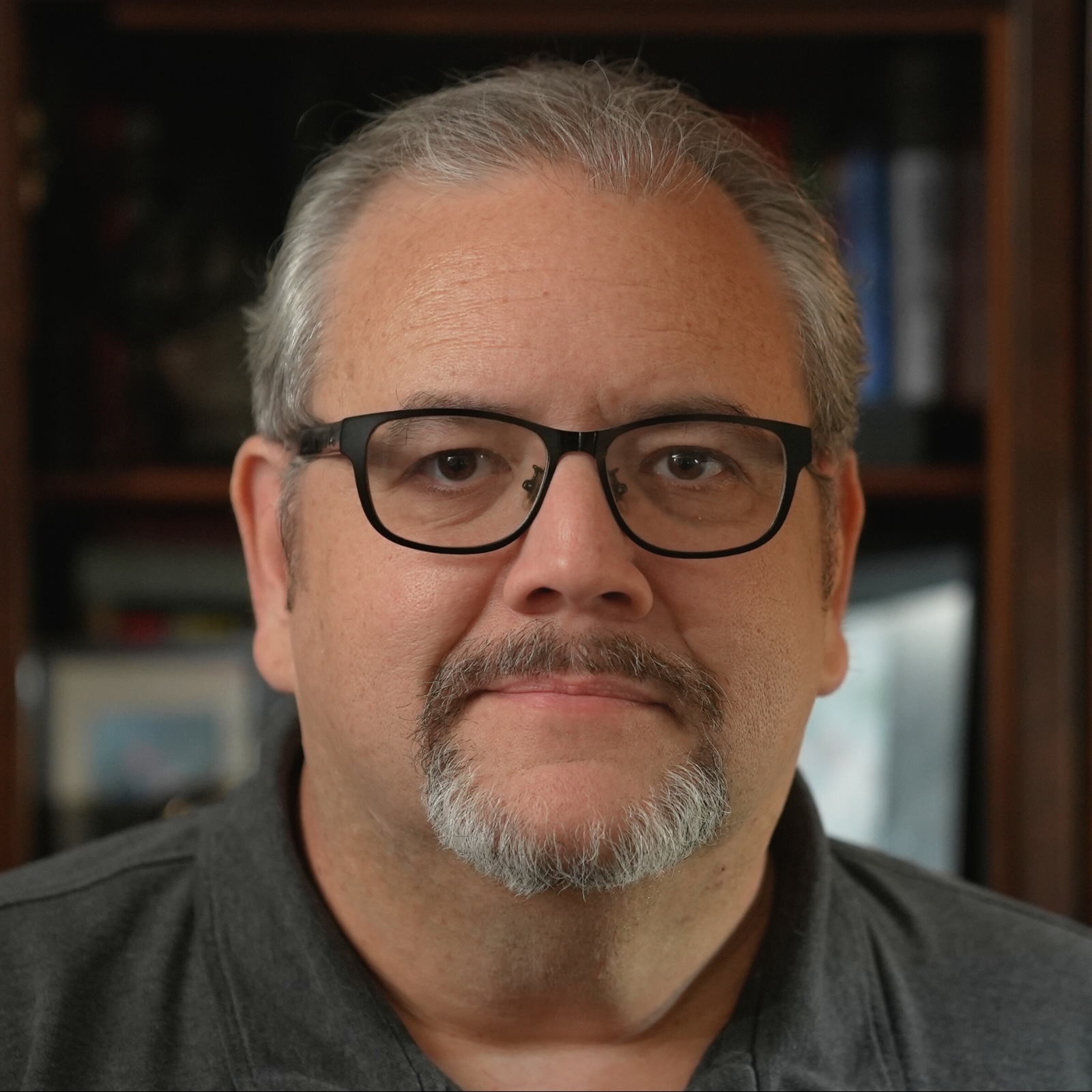
E.R. Burgess
Contributor on AI, ethics, and creator rights.